
Denmark
Denmark has rapidly become a highly sought-after European study destination, combining world-class academic standards with an unrivaled focus on innovation and sustainability.
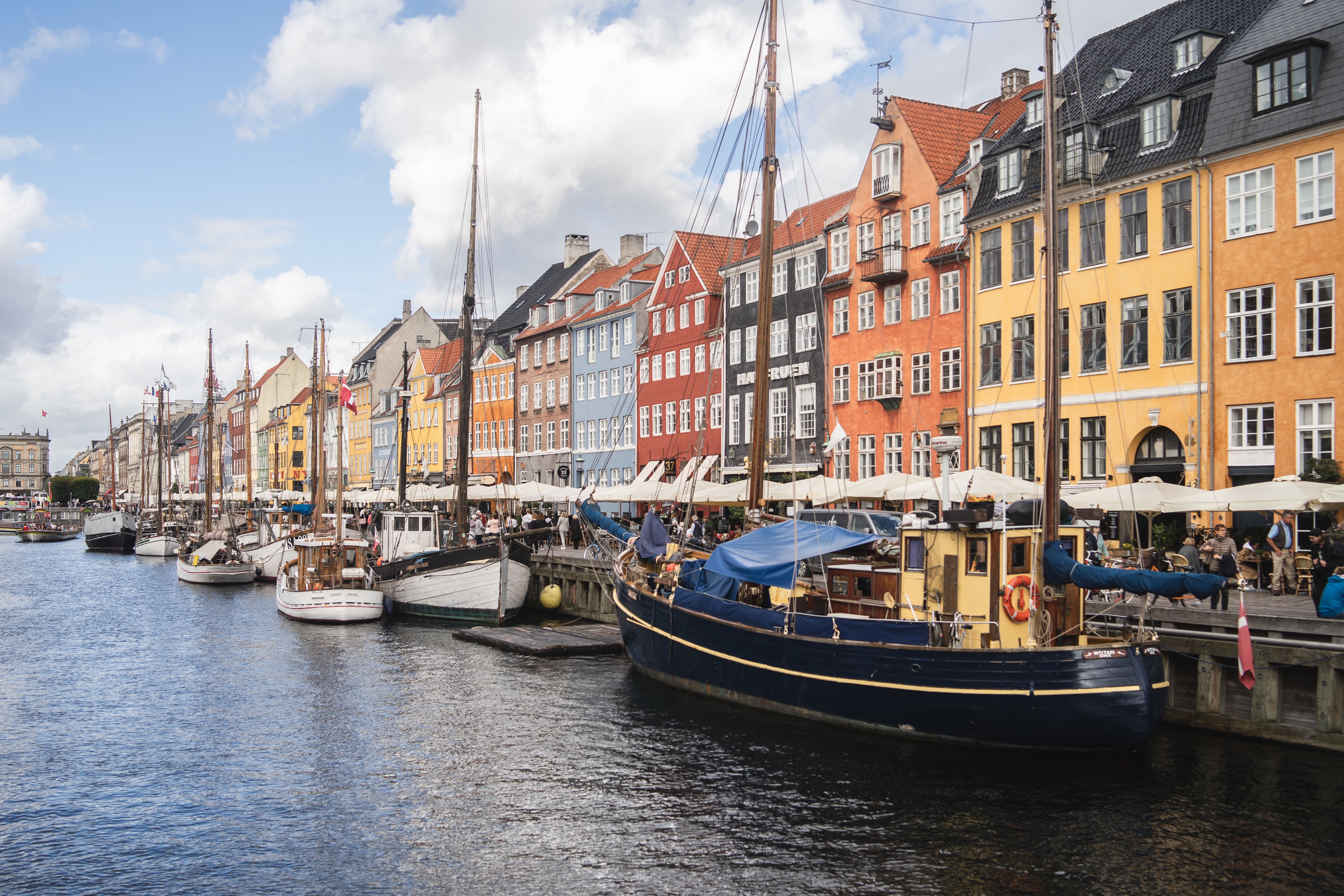
Study abroad is the single most effective way of changing the way we view the world. It stretches the mind with new experiences, and those dimensions can never go back to their old limits.
Why Study In Denmark?
Denmark offers world-class education with a strong focus on innovation, creativity, and critical thinking.
A wide range of bachelor’s and master’s programs are available in English for international students.
Students benefit from part-time work options and good career prospects after graduation.
Danish education emphasizes practical learning, group work, and real-world problem solving.


About Denmark
Other Countries





Cost of Living in the Denmark for International Students
Living expenses in the Denmark vary depending on the city and lifestyle. London is generally more expensive compared to other student cities. Below is an estimated monthly cost breakdown.
| City | Accommodation (Monthly) | Food & Groceries | Transport | Total Estimated Living Cost |
|---|---|---|---|---|
| Copenhagen (Capital) | DKK 3,800 – DKK 7,500 | DKK 2,300 – DKK 3,300 | DKK 550 | DKK 6,100 – DKK 11,350 |
| Aarhus | DKK 3,000 – DKK 5,500 | DKK 2,000 – DKK 2,900 | DKK 480 | DKK 5,000 – DKK 8,880 |
| Odense | DKK 2,700 – DKK 4,800 | DKK 1,900 – DKK 2,700 | DKK 450 | DKK 4,600 – DKK 7,950 |
| Aalborg | DKK 2,500 – DKK 4,500 | DKK 1,900 – DKK 2,600 | DKK 450 | DKK 4,400 – DKK 7,550 |
Understanding the Denmark
Nordic European Country: - Denmark is a modern Scandinavian nation known for its high living standards and efficient systems.
Capital & Major Cities: - Copenhagen is the capital and main student hub, along with cities like Aarhus and Odense.
High Standard of Living: - The country offers excellent healthcare, transport, infrastructure, and social welfare systems.
English-Friendly Society: - Most people speak English, making it easy for international students to adapt.
Types of Visa
For international students enrolling in higher education programs at Danish universities and institutions.
Allows graduates to stay in Denmark for a limited period after studies to find relevant employment.
For spouses, partners, and dependent children of international students or residents in Denmark.
Work PermitFor individuals who secure a job offer from a Danish employer and meet work permit requirements.
How To Apply For Student Visa?
Denmark Immigration Rules
Frequently Asked Denmark Questions
Denmark offers one of the most generous post-study work frameworks in Europe through its Job Seeking Scheme. If you graduate with a higher education degree (Bachelor’s, Master’s, or PhD) from a state-approved Danish university, you are automatically eligible for an extended stay.
Yes! Non-EU/EEA international students are legally permitted to work up to 90 hours per month during the academic year (September to May).
The Danish Agency for International Recruitment and Integration (SIRI) requires you to demonstrate that you can support yourself financially during your studies. For higher education programs, the self-support threshold requires you to show DKK 7,426 per month.